On September 19, Kazakhstan’s President Kassym-Jomart TOKAYEV called for a complete ban on graffiti. He instructed the akim (mayor) of Astana to take strict measures against those who paint on building walls in the Kazakh capital.
According to Tokayev, graffiti «disfigure municipal areas around the world» and should be regarded as acts of vandalism and malicious hooliganism. The president proposed introducing «legislative and regulatory measures» against them.
In June, graffiti artists painted graffiti on the carriages of Astana’s light rail transit (LRT) system. Transport workers had to remove the drawings using special cleaning agents. The carriages, which had been coated with an anti-vandal protective layer, were not damaged.
Graffiti, drawings painted on the walls of buildings and other urban structures, originated as a form of illegal youth self-expression and soon became part of the modern urban landscape. They often address pressing social issues. Some graffiti artists have gone on to become well-known artists. Today, many cities commission graffiti artists to decorate walls, their works are protected as art, and graffiti festivals are held around the world.
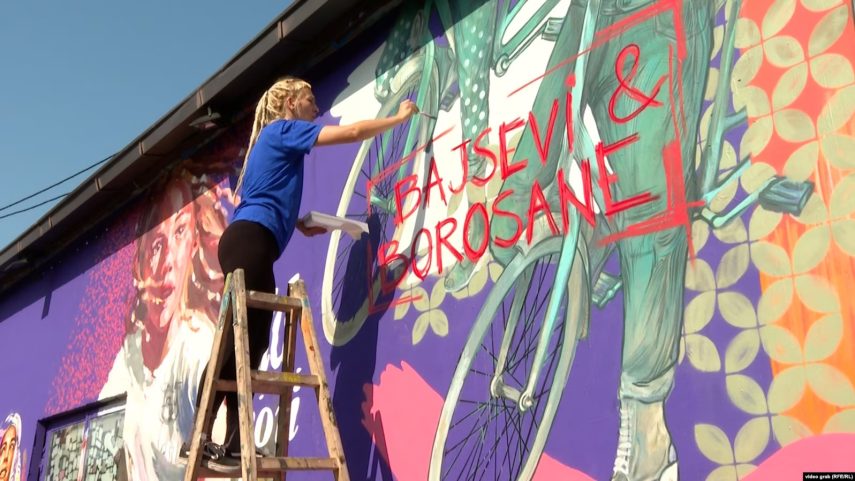
Photo: At a graffiti festival in Belgrade, Serbia.
SHARE YOUR OPINION AND DISCUSS THE ARTICLE ON OUR TELEGRAM CHANNEL!

16.09.2026,
12:00
21.09.2026,
10:30
15.09.2026,
12:00



 Хроника